
NEWS
Trump Declares Major Progress in Russia-Ukraine Peace Talks as Both Sides Agree to Resume High-Level Meeting After US Midterms Following Latest Envoy Contacts

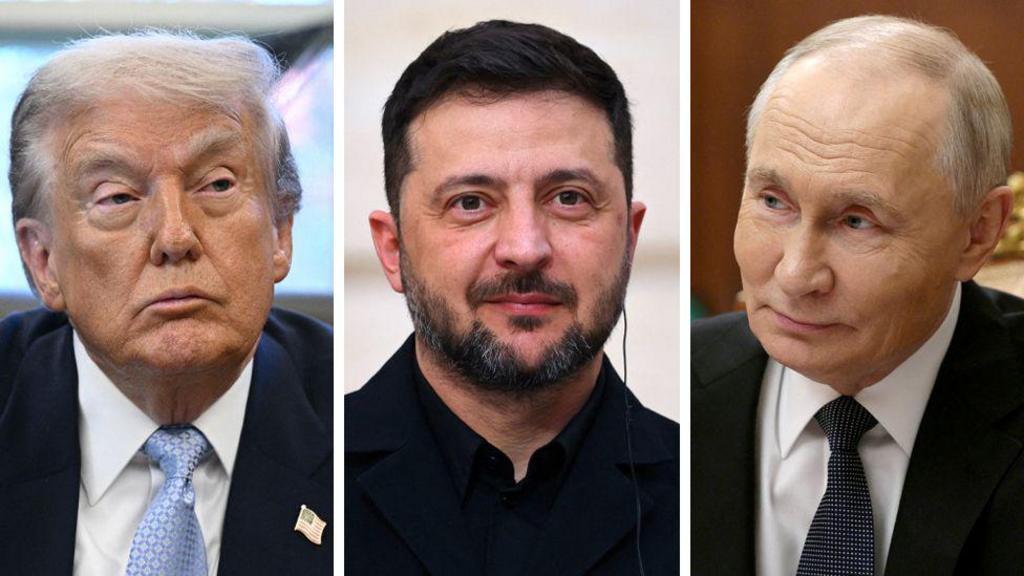
Trump Says Russia-Ukraine Peace Talks Are Making Major Progress as Both Sides Prepare for November Meeting
WASHINGTON, October 28, 2026 — U.S. President Donald Trump has expressed renewed optimism about efforts to end the Russia-Ukraine war, as Moscow and Kyiv signal readiness to resume negotiations involving Washington following a fresh round of diplomatic contacts.
The latest diplomatic push follows meetings between U.S. special envoy Steve Witkoff and Ukrainian President Volodymyr Zelenskyy in Oslo, Norway, before Witkoff travelled to St. Petersburg, Russia, to meet Russian President Vladimir Putin. Trump’s son-in-law, Jared Kushner, also participated in discussions with Putin remotely.
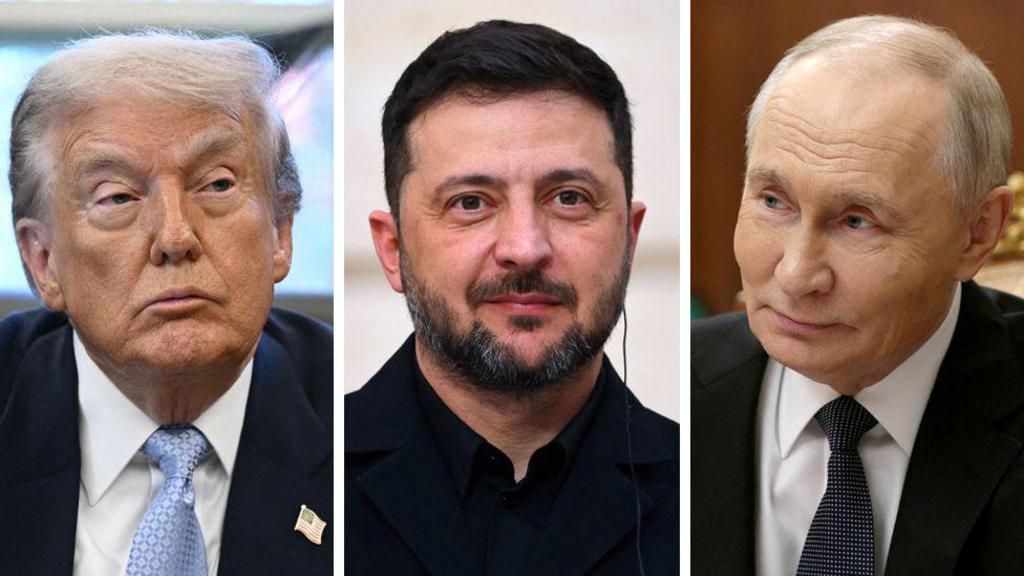
Russia Signals Readiness to Resume Negotiations
Russian presidential adviser Yuri Ushakov said Moscow was prepared in principle to resume trilateral negotiations involving Russia, Ukraine and the United States around November 10, with discussions potentially taking place in Abu Dhabi.
The proposed meeting would mark a renewed attempt to bring the three countries back to the negotiating table after earlier diplomatic efforts stalled. According to reports, the discussions could focus on security arrangements following the war, alongside broader proposals for a political settlement.
Trump has indicated that he believes an end to the conflict may be closer than before. His administration has continued pushing for direct engagement between the parties, with Witkoff and Kushner playing central roles in communicating proposals between Washington, Moscow and Kyiv.
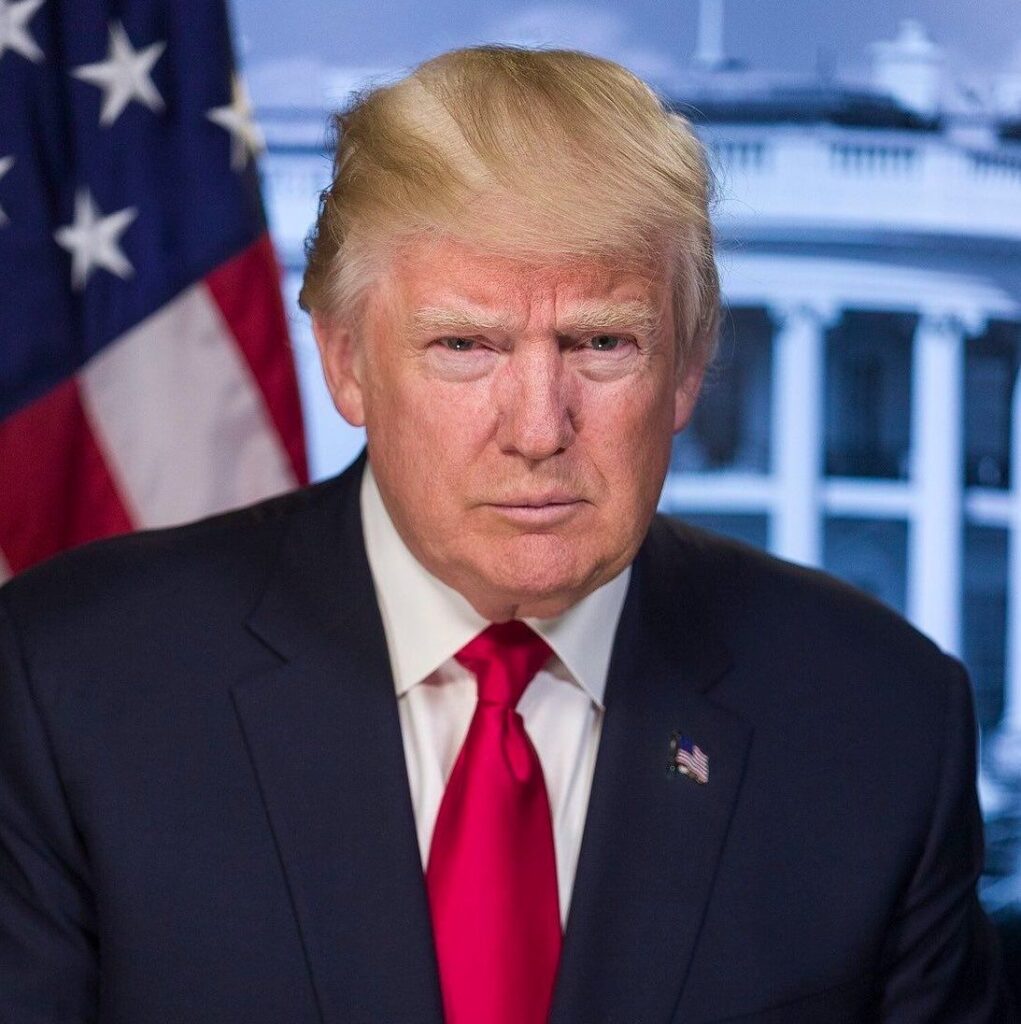
Major Differences Remain
Despite the renewed diplomatic activity, significant disagreements continue to threaten the prospects of a comprehensive peace agreement.
Russia has expressed reservations about proposals discussed by American, Ukrainian and European representatives. Kremlin officials have questioned the substance of some of the ideas presented during the recent meetings, indicating that Moscow’s willingness to resume talks should not be interpreted as acceptance of a final peace plan.
Ukraine, meanwhile, continues to seek an outcome that protects its sovereignty and provides credible security guarantees against future Russian attacks. Questions surrounding territorial control, the terms of a ceasefire and the future security of both countries remain central obstacles to a settlement.
The renewed negotiations also come amid continued military activity. Reports of missile and drone attacks have underscored the gap between diplomatic discussions and conditions on the battlefield.
Why the U.S. Midterm Elections Matter
The proposed timing of the next round of talks, after the November 2026 U.S. midterm elections, adds a political dimension to the diplomatic process.
Trump has made ending the war a prominent foreign-policy objective. A breakthrough could strengthen his administration’s claim that direct negotiations can produce results, although the eventual outcome will depend on the willingness of Moscow and Kyiv to accept mutually workable terms.
However, the scheduling of talks after the elections does not itself establish that either side has agreed to major concessions or that a peace agreement is imminent.
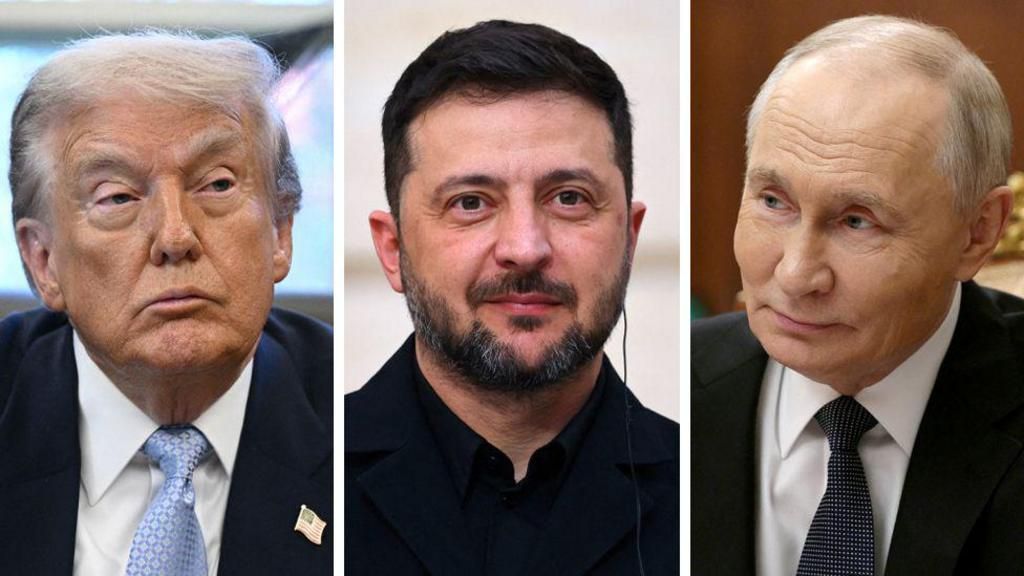
What Happens Next?
The immediate priority is to confirm the format, date and agenda of the proposed trilateral meeting. If the negotiations proceed, the participants will need to move beyond general expressions of willingness to talk and address the substantive disagreements preventing a settlement.
For now, the latest contacts represent a diplomatic opening rather than a confirmed end to the war. Whether that opening leads to a ceasefire or a broader peace agreement will depend on the proposals presented, the security guarantees offered and the decisions made by the Russian and Ukrainian leaderships.
The bottom line: Washington’s renewed engagement has created another opportunity for negotiations, but a lasting peace remains uncertain while major territorial and security disputes remain unresolved.

Exclusive: Wedding guest’s breathtaking hand-painted portrait finally reveals Taylor Swift and Travis Kelce’s ultra-secret custom Christian Dior wedding looks in exquisite detail after the couple’s private July ceremony

Tom Cruise Sparks Second-Chance Romance Rumors With Ex Elsina Khayrova After Ana de Armas Split — Amid Pregnancy Speculation

Even Prince William Wants Taylor Swift’s Attention! Travis Kelce Reacts to the Prince’s Hilarious Selfie Confession

“WHY DESTROY THEM?” Taylor Swift’s Reported $30 Million Wedding Sparks Outrage After Custom Decorations Were Allegedly Destroyed!

Kris Jenner, 70, Sparks Pregnancy Frenzy After Showing Off Mysterious Baby Bump in Viral Photos

“John Cena’s Wife Pregnant After He Swore He’d Never Have Kids — Is This the Ultimate Plot Twist or a Massive Hoax?”

UAE Secretly Aiding Houthis Against Saudi-Backed Forces in Yemen, Sources Claim

Trump Declares Major Progress in Russia-Ukraine Peace Talks as Both Sides Agree to Resume High-Level Meeting After US Midterms Following Latest Envoy Contacts

A troubling report has cast serious doubt over Josh Simmons’ future in Kansas City after a controversial incident involving Andy Reid and Patrick Mahomes.

El Salvador Deploys Troops to Haiti After Gangs Kidnap Four Technicians; Bukele Issues Stark Ultimatum

US Military Spends $47 Billion on Iran War as Costs Continue to Climb
