
NEWS
UAE Secretly Aiding Houthis Against Saudi-Backed Forces in Yemen, Sources Claim

October 28, 2026 | Middle East | International Security
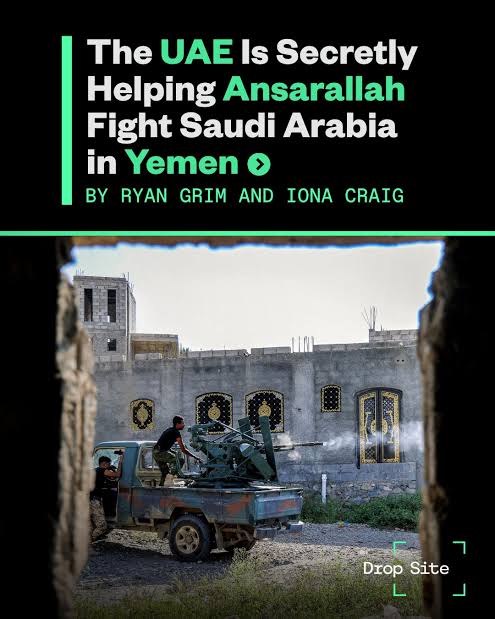
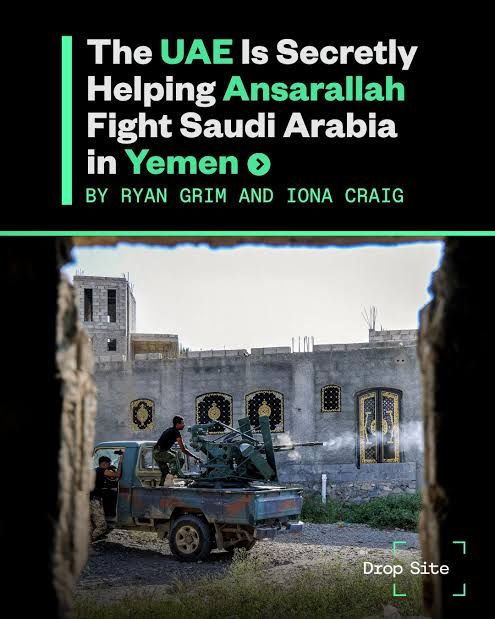
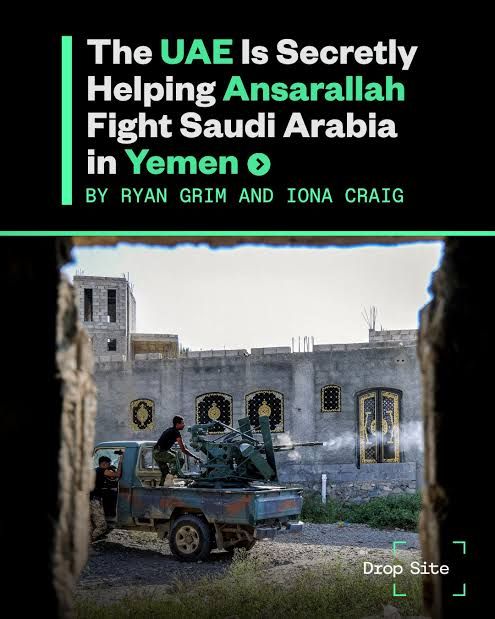
The United Arab Emirates (UAE) has been accused of secretly providing intelligence and targeting assistance to Yemen’s Houthi movement in its ongoing conflict against Saudi-backed forces, according to an investigative report published by Drop Site News on October 27, 2026. The allegations have raised fresh questions about the deteriorating relationship between Abu Dhabi and Riyadh and the competing interests of Gulf powers in Yemen.
The report, which cited four sources familiar with the alleged arrangement, claims that UAE-aligned Yemeni forces have helped the Houthis identify and target positions held by forces supported by Saudi Arabia. Two sources also alleged that the UAE itself shared intelligence with the Houthis to assist their military operations inside Yemen.
If substantiated, the allegations would represent a significant development in the conflict, given that the UAE and Saudi Arabia previously cooperated in a military coalition against the Houthis.
However, the claims remain unverified, and a senior Houthi official has denied that the UAE provided any assistance to the movement.
Alleged Intelligence Cooperation
According to Drop Site News, sources familiar with the alleged arrangement said communications between Houthi representatives and some commanders associated with UAE-backed Yemeni forces had remained open.
The report alleges that these channels enabled the Houthis to obtain information that could help them anticipate the movements of Saudi-backed forces and identify military targets.
One Yemeni source familiar with the alleged communications claimed that the Houthis had established direct channels with military commanders who remained loyal to the UAE.
The investigation also reported that a senior American official had warned the UAE that Washington was aware of the alleged assistance and urged Abu Dhabi to end it.
Neither the UAE government nor the American authorities had publicly confirmed the alleged intelligence-sharing arrangement in the reporting reviewed. The UAE ambassador to the United States reportedly did not respond to requests for comment.
Why the UAE and Saudi Arabia Are at Odds
The allegations come amid growing tensions between the two Gulf powers over the future of Yemen and their competing political and military interests.
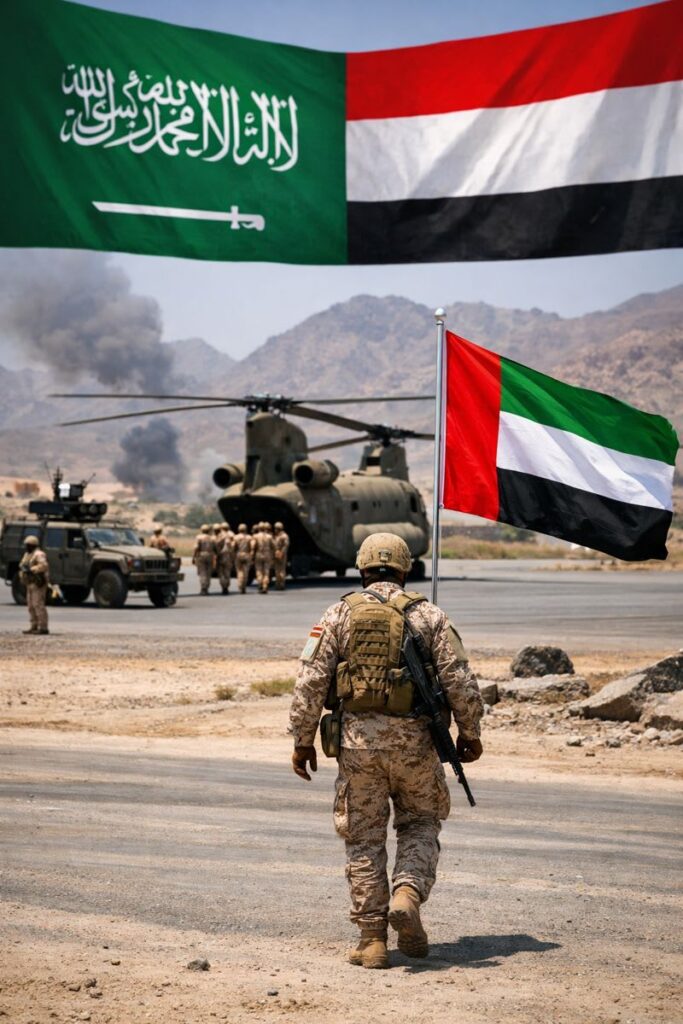
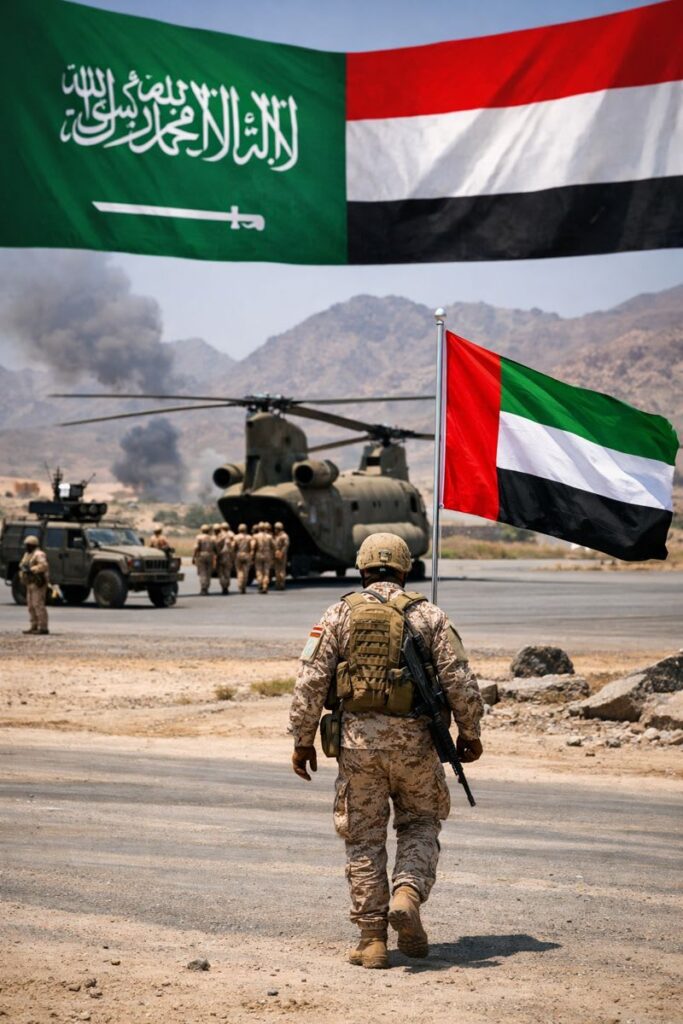
Since 2015, Saudi Arabia and the UAE have supported forces opposing the Houthis, who seized Yemen’s capital, Sanaa, in 2014. However, the two countries have not always agreed on which Yemeni factions should control territory or shape the country’s political future.
The UAE has maintained relationships with southern separatist groups, particularly the Southern Transitional Council, whose ambitions have sometimes conflicted with those of Yemen’s internationally recognised government backed by Saudi Arabia.
These divisions have weakened cooperation among anti-Houthi forces and created opportunities for rival groups to pursue their own objectives.
The latest allegations suggest that some UAE-aligned forces may be acting in ways that benefit the Houthis, even as other UAE-backed factions remain opposed to them.
The Houthis’ Growing Military Influence
The allegations emerge as the Houthis have reportedly made significant territorial gains along Yemen’s Red Sea coast, increasing pressure on Saudi-backed forces.
The Bab al-Mandab Strait is particularly important because it connects the Red Sea to the Gulf of Aden and provides a major route for international maritime trade.
Greater Houthi influence over this corridor could give the movement additional leverage over regional shipping and increase pressure on neighbouring countries and international powers.
Saudi Arabia has responded to the renewed fighting with military operations against Houthi-controlled areas, while the Houthis have continued launching attacks against Saudi targets, according to the investigation.
The conflict has also created a worsening humanitarian situation.
The report cited figures indicating that more than 250,000 people had been displaced by escalating violence since August 1, while hundreds of thousands of people in Taiz faced serious difficulties accessing humanitarian assistance.
These developments have increased concerns that Yemen could face another prolonged period of intensified fighting.
Houthis Deny Receiving UAE Assistance
Despite the allegations, Mohammed al-Bukhaiti, a senior Houthi official, rejected claims that the UAE had provided assistance to the movement.
Al-Bukhaiti said the Emirates had not supported Yemen either against Saudi Arabia or against Saudi-backed forces within the country. He also denied that the two sides had formed an alliance against Riyadh.
The UAE has not publicly confirmed the alleged intelligence-sharing arrangement described in the investigation.
These denials are significant because the central allegation rests on accounts from anonymous sources rather than publicly available documents or independently verified evidence.
Consequently, the report should be treated as an allegation requiring further verification, not as definitive proof that the UAE government has adopted a policy of helping the Houthis.
Could This Deepen the Gulf Rivalry?
If the allegations are substantiated, they could further undermine trust between Abu Dhabi and Riyadh.
Saudi Arabia has relied on regional partners to support its objectives in Yemen, while the UAE has pursued its own security and political priorities through relationships with local armed groups.
The possibility that intelligence supplied by UAE-linked actors could be helping Houthi operations against Saudi-backed forces would raise serious questions about coordination, accountability and the reliability of regional partnerships.
The allegations also highlight the complexity of Yemen’s conflict, where local rivalries and competing foreign interests can produce unexpected alignments between groups that otherwise have little in common.
Nevertheless, it remains unclear whether the alleged assistance reflects an authorised UAE government policy, actions by individual commanders or a more complicated arrangement involving local actors.

Exclusive: Wedding guest’s breathtaking hand-painted portrait finally reveals Taylor Swift and Travis Kelce’s ultra-secret custom Christian Dior wedding looks in exquisite detail after the couple’s private July ceremony

Tom Cruise Sparks Second-Chance Romance Rumors With Ex Elsina Khayrova After Ana de Armas Split — Amid Pregnancy Speculation

Even Prince William Wants Taylor Swift’s Attention! Travis Kelce Reacts to the Prince’s Hilarious Selfie Confession

“WHY DESTROY THEM?” Taylor Swift’s Reported $30 Million Wedding Sparks Outrage After Custom Decorations Were Allegedly Destroyed!

Kris Jenner, 70, Sparks Pregnancy Frenzy After Showing Off Mysterious Baby Bump in Viral Photos

“John Cena’s Wife Pregnant After He Swore He’d Never Have Kids — Is This the Ultimate Plot Twist or a Massive Hoax?”

UAE Secretly Aiding Houthis Against Saudi-Backed Forces in Yemen, Sources Claim

Trump Declares Major Progress in Russia-Ukraine Peace Talks as Both Sides Agree to Resume High-Level Meeting After US Midterms Following Latest Envoy Contacts

A troubling report has cast serious doubt over Josh Simmons’ future in Kansas City after a controversial incident involving Andy Reid and Patrick Mahomes.

El Salvador Deploys Troops to Haiti After Gangs Kidnap Four Technicians; Bukele Issues Stark Ultimatum

US Military Spends $47 Billion on Iran War as Costs Continue to Climb
