
NEWS
“NO ONE” SURGES AS ISRAEL’S BETTING MARKETS REACT AFTER POLLS CLOSE — COULD POLITICAL DEADLOCK TRIGGER ANOTHER ELECTION? With Netanyahu and Eisenkot battling for power, traders are weighing a third possibility: neither side manages to form a government.

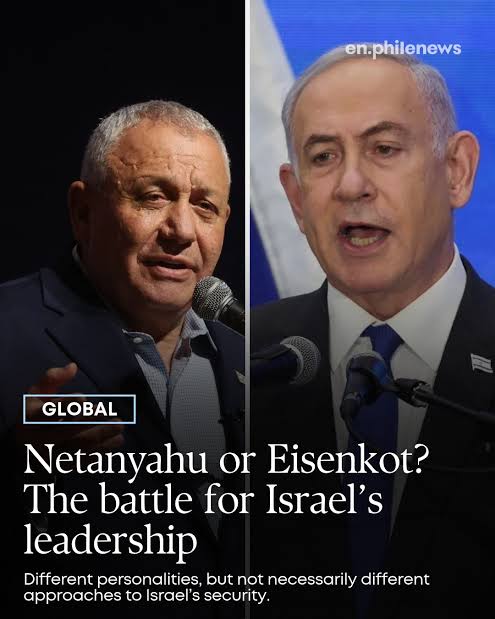
Israel’s closely watched 2026 election has entered a critical phase, with uncertainty over the next government raising questions about whether either major political camp can secure the support needed to govern.
Prime Minister Benjamin Netanyahu is facing a serious challenge from opposition leader Gadi Eisenkot, a former Israeli military chief whose centrist Yashar party has attracted considerable attention during the campaign. Yet even if one side performs strongly at the ballot box, winning enough parliamentary support to form a government could prove much more complicated.
That uncertainty is central to the debate surrounding prediction markets, where traders place money on possible political outcomes.
Why “No One” Has Become Part of the Conversation
Israel’s parliamentary system makes it possible for an election to produce a clear leading party without producing a government capable of commanding a majority.
The Knesset has 120 seats, meaning a coalition generally needs the support of at least 61 lawmakers to secure a majority. Because seats are distributed proportionally among qualifying parties, smaller political groups can become crucial partners in government negotiations.
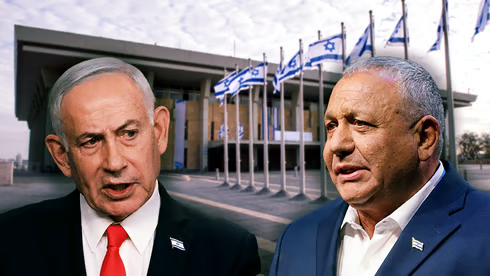
If Netanyahu’s coalition and Eisenkot’s opposition camp both fall short, political leaders may have to negotiate with smaller parties to assemble a viable governing arrangement.
Those talks can take weeks. If every attempt to form a government fails, Israel could eventually face another election.
That is the scenario behind the idea of “No One” emerging in prediction-market discussions: rather than either named candidate becoming prime minister following the election, the process could end in a political stalemate or a fresh vote.
However, the possibility of a deadlock should not be confused with evidence that “No One” has become the leading outcome in current betting markets. Available reporting before polls closed showed Eisenkot ahead of Netanyahu in several markets, while traders also expressed doubts about whether a stable coalition could be formed. The Times of Israel.
Netanyahu Faces a Difficult Test
For Netanyahu, the election represents another major test of his political standing following years of security crises, conflict and domestic controversy.
His supporters have emphasized security and continuity, while opponents have questioned his government’s handling of the October 7, 2023, attacks and the subsequent wars.
Eisenkot has presented himself as an alternative, drawing on his military background and promises to restore public confidence in government.
Nevertheless, replacing Netanyahu would require more than simply winning public support. Eisenkot would need to assemble a coalition capable of surviving parliamentary votes and navigating disagreements among potential partners.
Why Betting Markets Can Change Quickly
Prediction markets measure traders’ expectations about future outcomes, not the actual percentage of voters supporting a candidate.
A sudden shift in prices can reflect new information, changing expectations, large wagers or uncertainty about how an event will unfold. It does not necessarily mean that election results have changed or that a political outcome is guaranteed.
Observers have also cautioned that relatively concentrated trading can influence political betting markets, making it important to interpret dramatic price movements carefully. The Forward.
For that reason, claims that “No One” has surged to become the favourite should be checked against the specific market, its latest prices and the rules governing settlement.
What Happens Next?
After voting concludes, exit polls provide an initial indication of how the parties have performed. Official results and the distribution of seats then determine the starting point for coalition negotiations.
Israel’s president, Isaac Herzog, consults party leaders before assigning a candidate the task of forming a government. That candidate has up to 42 days to succeed, with further constitutional steps possible if the first attempt fails.
If no viable coalition emerges, another election could become necessary. Until then, political negotiations may matter as much as the initial results.
The central question is therefore not simply whether Netanyahu or Eisenkot wins the election, but whether either can gather enough parliamentary support to govern.
Could Israel end up with neither candidate able to form a government? The possibility is real under the country’s parliamentary system, but whether “No One” has actually become the betting-market favourite requires confirmation from current market data.
Sources: Reuters, Associated Press, The Times of Israel and The Forward.

Exclusive: Wedding guest’s breathtaking hand-painted portrait finally reveals Taylor Swift and Travis Kelce’s ultra-secret custom Christian Dior wedding looks in exquisite detail after the couple’s private July ceremony

Tom Cruise Sparks Second-Chance Romance Rumors With Ex Elsina Khayrova After Ana de Armas Split — Amid Pregnancy Speculation

Even Prince William Wants Taylor Swift’s Attention! Travis Kelce Reacts to the Prince’s Hilarious Selfie Confession

“WHY DESTROY THEM?” Taylor Swift’s Reported $30 Million Wedding Sparks Outrage After Custom Decorations Were Allegedly Destroyed!

Kris Jenner, 70, Sparks Pregnancy Frenzy After Showing Off Mysterious Baby Bump in Viral Photos

“John Cena’s Wife Pregnant After He Swore He’d Never Have Kids — Is This the Ultimate Plot Twist or a Massive Hoax?”

UAE Secretly Aiding Houthis Against Saudi-Backed Forces in Yemen, Sources Claim

Trump Declares Major Progress in Russia-Ukraine Peace Talks as Both Sides Agree to Resume High-Level Meeting After US Midterms Following Latest Envoy Contacts

A troubling report has cast serious doubt over Josh Simmons’ future in Kansas City after a controversial incident involving Andy Reid and Patrick Mahomes.

El Salvador Deploys Troops to Haiti After Gangs Kidnap Four Technicians; Bukele Issues Stark Ultimatum

US Military Spends $47 Billion on Iran War as Costs Continue to Climb
